


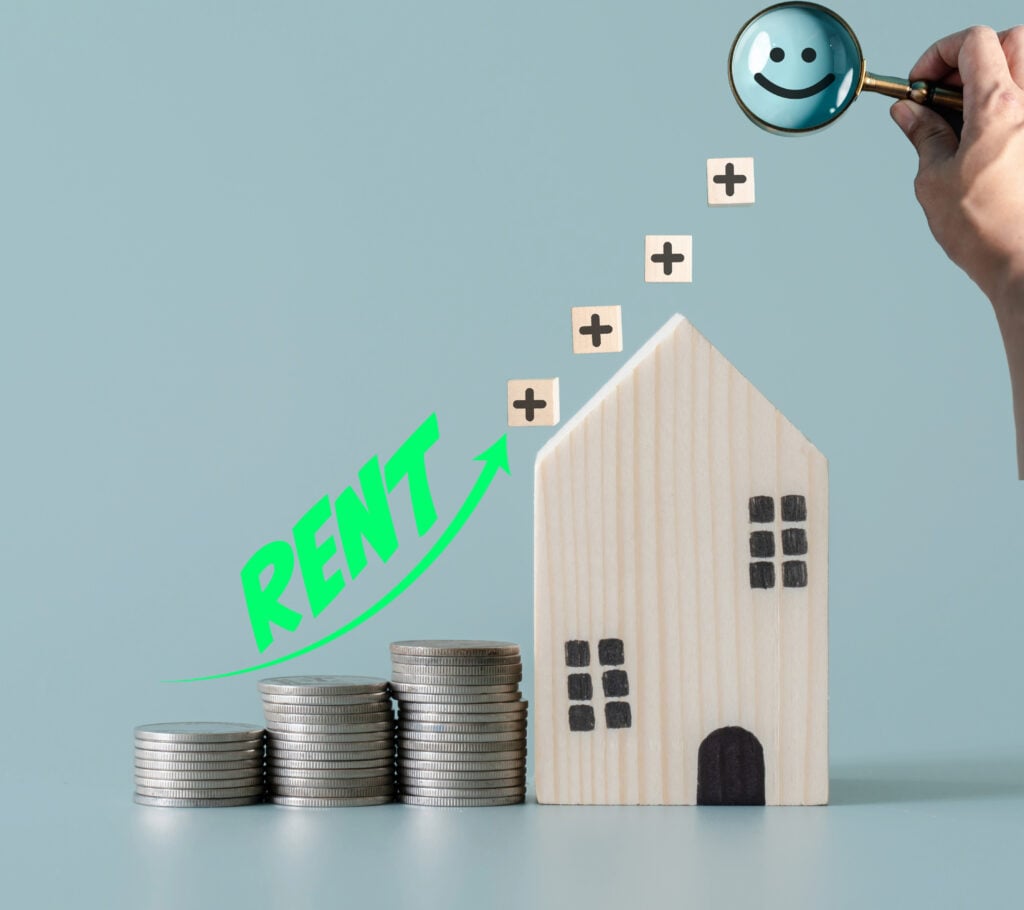
Renting has evolved far beyond the confines of temporary shelter or a stopgap before homeownership. In today’s dynamic world, where mobility, lifestyle preferences, and financial strategies shape personal choices, rent represents a compelling, often strategic decision. Whether it’s a downtown apartment offering proximity to work and culture or a suburban rental house providing space and comfort without long-term commitment, renting delivers a flexible and financially sound solution to an increasingly diverse demographic. As societal norms shift and economic landscapes evolve, the role of rent in our lives deserves a fresh and thoughtful exploration.
Table of Contents
ToggleThe Fundamentals of Rent: What It Means and Why It Matters
At its simplest, rent is a recurring payment made by a tenant to a property owner in exchange for the use of living or commercial space. This transaction, typically governed by a lease agreement, outlines the rights and responsibilities of both tenant and landlord. Rent arrangements may be short-term or long-term, furnished or unfurnished, and can vary greatly in cost and amenities depending on location, property type, and market conditions.
Primary forms of rental housing include:
-
Apartments and Condominiums: Popular in urban areas, offering convenience, amenities, and proximity to workplaces and entertainment hubs.
-
Single-Family Homes: Often found in suburban or rural settings, providing more space and privacy.
-
Shared Housing or Co-Living: Economical and socially engaging, particularly appealing to students, young professionals, and digital nomads.
-
Luxury Rentals: High-end properties featuring upscale finishes, concierge services, and premium locations, catering to discerning renters.
Understanding the types of rental options available helps prospective tenants make informed choices aligned with their lifestyle and financial goals.
Why People Choose to Rent: More Than Just Convenience
While homeownership has long been considered a traditional goal, an increasing number of individuals are choosing to rent—and not merely by necessity. Renting today is often a conscious, strategic choice influenced by practical and personal considerations.
Key advantages of renting include:
-
Flexibility and Mobility: Renting allows tenants to move more easily for work, education, or lifestyle changes. This agility is especially valuable in uncertain job markets or for those who value travel and exploration.
-
Lower Initial Costs: Unlike homeownership, which requires a significant down payment and closing costs, renting typically demands a security deposit and first month’s rent, making it more accessible.
-
Minimal Maintenance Responsibilities: Landlords or property managers handle repairs and maintenance, freeing renters from time-consuming and costly upkeep.
-
Predictable Expenses: Renters are often shielded from fluctuating costs like property taxes, homeowner association fees, or sudden repair bills.
-
Access to Amenities: Many rental communities include desirable features such as gyms, pools, lounges, and secure parking—perks that would be expensive to replicate in a private home.
These benefits illustrate how renting can support both financial discipline and an enhanced quality of life.
Financial Insights: Rent as a Strategic Decision
Renting is frequently misunderstood as “throwing money away,” but this perspective ignores the broader context. For many, renting offers a more flexible and financially sound approach, especially in high-cost housing markets or during periods of economic uncertainty.
Strategic financial considerations include:
-
Opportunity Cost: Funds that would otherwise be tied up in a home down payment can be invested elsewhere, potentially yielding higher returns.
-
Market Risk Avoidance: Renters are not subject to property market fluctuations, mortgage rate changes, or declining home values.
-
Liquidity Preservation: Renting allows for greater liquidity, enabling renters to respond quickly to financial opportunities or challenges.
-
Budgeting Simplicity: Fixed monthly rent payments, often including utilities, simplify budgeting and financial planning.
For many individuals—particularly those early in their careers, retirees seeking ease, or anyone navigating uncertain markets—renting represents a prudent financial strategy rather than a compromise.
Legal Rights and Responsibilities: Navigating the Lease Landscape
Renting involves legal obligations and protections that ensure fairness and accountability for both tenants and landlords. A well-structured lease agreement is essential for setting expectations and minimizing disputes.
Tenant rights typically include:
-
Right to Habitability: The property must meet health and safety standards, with prompt repairs to essential services like heating, plumbing, and electricity.
-
Right to Privacy: Landlords must provide notice before entering the rental unit, except in emergencies.
-
Protection Against Unlawful Eviction: Tenants cannot be removed without proper legal process, and eviction must be based on valid reasons outlined in the lease.
Tenant responsibilities generally include:
-
Timely Payment of Rent: Consistent payment as agreed in the lease is crucial for maintaining tenancy and credit standing.
-
Proper Use and Care of Property: Renters must avoid damage and adhere to rules regarding occupancy, noise, and prohibited activities.
-
Compliance with Lease Terms: From pet policies to subletting clauses, adherence to the agreement supports a respectful and harmonious rental relationship.
Understanding these rights and duties empowers tenants to advocate for themselves and fosters a positive, cooperative rental experience.
Emerging Trends in Renting: Innovation and Lifestyle Shifts
The rental market is evolving in response to cultural, technological, and economic changes. These trends are reshaping how people rent, what they expect, and what landlords offer.
Current trends shaping the rental market:
-
Remote Work Influence: Demand for rentals with home office space and high-speed internet has surged, along with interest in suburban and rural rentals.
-
Sustainability Focus: Eco-friendly buildings, energy-efficient appliances, and green certifications are increasingly valued by environmentally conscious renters.
-
Technology Integration: Virtual tours, digital lease signing, and online rent payments streamline the rental process and enhance accessibility.
-
Flexible Lease Terms: Short-term, month-to-month, and furnished rental options are gaining popularity, supporting varied lifestyles and travel-friendly arrangements.
-
Urban Redevelopment and Mixed-Use Spaces: Cities are investing in revitalized neighborhoods with rental properties that integrate living, working, and leisure spaces.
Adapting to these trends allows renters to make more informed choices and enables property owners to remain competitive in a shifting market.
Conclusion: Renting as a Lifestyle and Financial Strategy
Renting is no longer a mere stepping stone to ownership—it is a valid, often empowering choice that reflects modern values of flexibility, mobility, and financial control. Whether driven by career moves, personal goals, or market realities, renters today are exercising agency over where and how they live. With a clear understanding of rental options, rights, and financial implications, individuals can rent with purpose and confidence, creating a lifestyle that aligns with both immediate needs and future aspirations. In an era defined by change, renting offers not just a place to live, but a way to live well.