


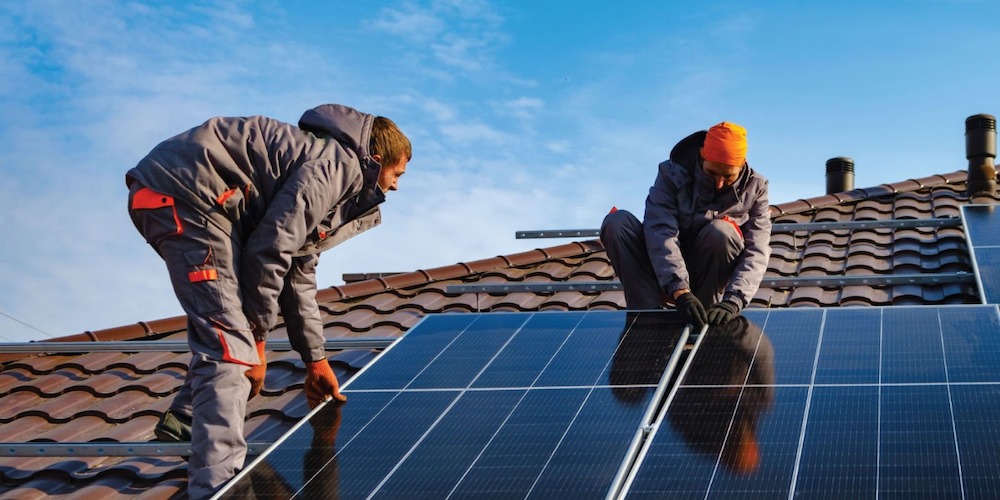
The energy landscape is undergoing a significant transformation, driven by technological advancements and an increasing global focus on sustainability. Central to this shift is the rapid adoption of solar photovoltaic (PV) systems by homeowners. Once considered a niche or futuristic technology, solar panels are now a mainstream home improvement that offers a compelling combination of long-term financial gain, environmental stewardship, and increased energy security. Transitioning to solar power is no longer just an environmental statement; it is a pragmatic financial decision that resets a household’s relationship with utility providers and fossil fuels. This article explores the multifaceted benefits of installing solar panels on your home.
Substantial Financial Savings and Predictable Energy Costs
The most immediate and compelling benefit for most homeowners is the dramatic reduction in electricity bills. Solar panels allow you to generate your own power, directly offsetting the electricity you would otherwise purchase from the grid at escalating rates.
Immediate and Long-Term Bill Reduction
Depending on the size of the solar array, your local climate, and your energy consumption habits, it is possible to eliminate the electricity portion of your utility bill almost entirely. While homeowners remain connected to the grid and typically pay a nominal monthly service fee, the core energy charges drop precipitously as soon as the system is activated. Over the 25 to 30-year lifespan of a typical solar installation, these monthly savings compound into tens of thousands of dollars in accumulated wealth that would otherwise have been spent on utility power.
Hedging Against Rising Utility Rates
Electricity prices in the United States have historically trended upward, driven by inflation, infrastructure upgrades, and fluctuating fuel costs. Investing in solar panels is effectively pre-purchasing decades of electricity at a fixed, known cost (the cost of the installation). This provides immunity to future utility rate hikes, offering financial predictability and locking in low energy costs that become more valuable every time grid electricity prices rise.
Return on Investment and Net Present Value
Installing solar panels is not an expense; it is an investment in a high-yield asset. When homeowners calculate the total financial benefits—including bill savings, tax credits, and increased property value—against the upfront cost, the return on investment often exceeds that of traditional, more volatile investment vehicles. The system frequently pays for itself within five to nine years, after which the electricity generated is essentially free profit.
Environmental Stewardship and Sustainability
Beyond the individual financial incentives, solar power offers profound benefits to the environment and public health. Moving away from fossil fuels represents one of the most effective actions an individual homeowner can take to support a sustainable future.
Radical Reduction in Carbon Footprint
The vast majority of electricity in the United States is still generated by burning fossil fuels, primarily natural gas and coal. This process releases significant amounts of carbon dioxide (CO2) and other greenhouse gases into the atmosphere, contributing directly to climate change. Residential solar systems, however, generate electricity with zero emissions during operation. By installing panels, a homeowner dramatically reduces their household’s carbon footprint, offsetting tons of carbon dioxide emissions every year and contributing actively to a cleaner atmosphere.
Decreased Local Air and Water Pollution
Fossil fuel power plants release more than just carbon dioxide. They also emit sulfur dioxide, nitrogen oxides, particulate matter, and mercury. These pollutants cause smog, acid rain, and significant respiratory illnesses. Furthermore, traditional electricity generation through thermal plants is water-intensive, consuming billions of gallons for cooling. Solar PV systems require virtually no water to operate and release no localized air pollutants, supporting cleaner air and conserving vital water resources in the community.
Supporting a Finite Resource Transition
Fossil fuels are finite, non-renewable resources that require intrusive extraction methods, including mining and drilling. Sunlight is an inexhaustible, ubiquitous resource available almost everywhere on Earth. Switching to solar shifts society’s energy dependency away from depleting reserves and destructive extraction industries toward a perpetual and sustainable source.
Energy Independence and Grid Security
Solar panels, especially when paired with modern battery storage solutions, offer homeowners unprecedented control over their energy resilience and independence.
Resilience Against Grid Outages
While standard grid-tied solar systems automatically shut off during a power outage to protect utility workers, systems equipped with battery storage can continue operating. When the grid fails due to severe weather, natural disasters, or technical problems, a smart battery backup can seamlessly disconnect from the grid and keep critical appliances, lights, and medical equipment running using stored solar energy. This level of resilience is increasingly valuable as grid instability becomes more common.
Strengthening the National Electrical Grid
Distributed energy resources like residential solar panels make the entire electrical grid more robust. When millions of homes generate their own power, especially during periods of peak demand (such as hot summer afternoons), they reduce the overall strain on the centralized infrastructure. Solar homeowners contribute to the grid by exporting excess power, reducing the need for utilities to activate inefficient, expensive “peaker” plants and decreasing the overall likelihood of rolling blackouts for everyone.
Increased Property Value and Market Appeal
Home buyers are becoming increasingly energy-conscious and are willing to pay a premium for properties equipped with modern sustainability features that lower future ownership costs.
Validated Home Appreciation
Numerous studies by leading real estate organizations and national laboratories have confirmed that homes with solar panels sell for more than comparable homes without them. Buyers recognize that a solar installation represents “pre-paid” energy, and they factor these future savings into their offers. This premium often covers a significant portion, or even the entire cost, of the solar installation, making the decision a savvy move for building home equity.
Faster Sales and Competitive Edge
Solar panels can significantly increase a home’s market appeal, helping it sell faster, even in competitive real estate markets. For environmentally-minded buyers or those looking for predictable long-term costs, a pre-installed, high-functioning solar array is a major asset that differentiates a listing from standard options. This competitive edge reduces the time a property spends on the market and increases the likelihood of receiving multiple offers.
Frequently Asked Questions
What maintenance is required for residential solar panels, and how long do they last?
Residential solar panels are remarkably low-maintenance because they have no moving parts. The primary requirement is keeping the panels relatively clean by hosing them down 1-2 times a year to remove dust or pollen. The system as a whole has an expected lifespan of 25 to 30 years, and most panels come with a 25-year power production warranty guaranteeing they will still produce at least 80% of their rated power after a quarter-century.
Does my roof need to face a certain direction, and what if I have trees that shade it?
To maximize production, the ideal roof orientation in the United States is south-facing. However, solar panels can still be very productive on east or west-facing roofs, albeit at slightly reduced efficiency. Modern technologies like micro-inverters or DC power optimizers have significantly improved performance in shaded areas, allowing the system to harvest energy even when some panels are partially obscured. A professional installer can model your property’s precise solar potential, factoring in orientation and shading.
Are there federal incentives to help with the upfront cost of installing solar?
Yes, the primary incentive is the federal Solar Investment Tax Credit (ITC), also known as the Residential Clean Energy Credit. Currently, homeowners who purchase and install a qualified solar system can deduct 30 percent of the total installation costs directly from their federal income taxes. This is a dollar-for-dollar credit, not just a deduction. The credit was extended by the Inflation Reduction Act and will remain at 30 percent through 2032.
What is net metering, and how does it affect my savings?
Net metering is a policy that allows you to “bank” excess electricity you produce with the grid. During the day, when your panels produce more power than your home is using, the extra electricity flows back into the utility grid, effectively turning your meter backward. You receive credits for this energy. When you use electricity at night, you use those banked credits. At the end of the month or year, you only pay the “net” difference. This arrangement is vital for maximizing the financial savings of solar panels.
If I install solar panels now and want to add battery storage later, is that possible?
Yes, it is entirely possible to retrofit an existing solar system with battery storage at a later date, but it is important to communicate this plan during the initial installation. The complexity of the retrofit depends on whether the system is AC-coupled or DC-coupled. If you install battery storage simultaneously with the solar panels, the battery also qualifies for the federal 30 percent tax credit.
How does the size of a home solar system affect its overall cost and financial benefit?
The size of the system, measured in kilowatts (kW), is the primary driver of both the upfront cost and the long-term energy savings. A larger system generates more power, offering greater potential to eliminate electricity bills and maximize savings. However, professional installers will right-size your system based on your historical electricity usage, your roof space, and your budget to provide the best balance of cost-efficiency and return on investment, avoiding the expense of over-sizing the system unnecessarily.